
Burgers: A Simple Icon of Global Comfort
Find your next burger
The burger is a culinary chameleon — at once a comfort food staple and a canvas for creativity. Originating from ground-meat patties seen in many cultures, the modern American burger evolved in the late 19th and early 20th centuries and quickly became a symbol of casual dining. Its appeal lies in a straightforward formula: a seasoned patty, a bun, and a handful of complementary toppings. From street carts and backyard grills to Michelin kitchens, burgers adapt to local ingredients, dietary preferences, and culinary trends.
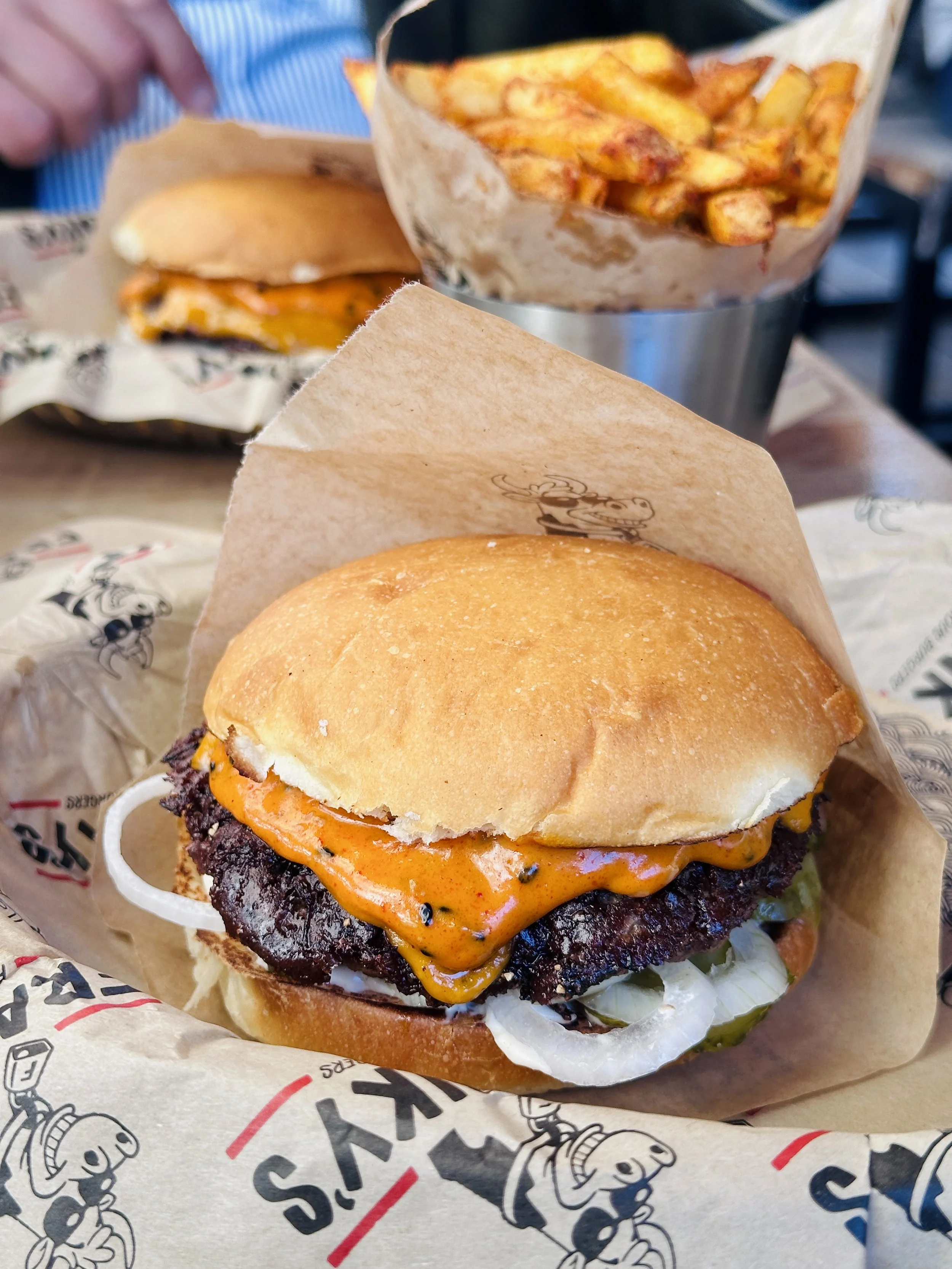
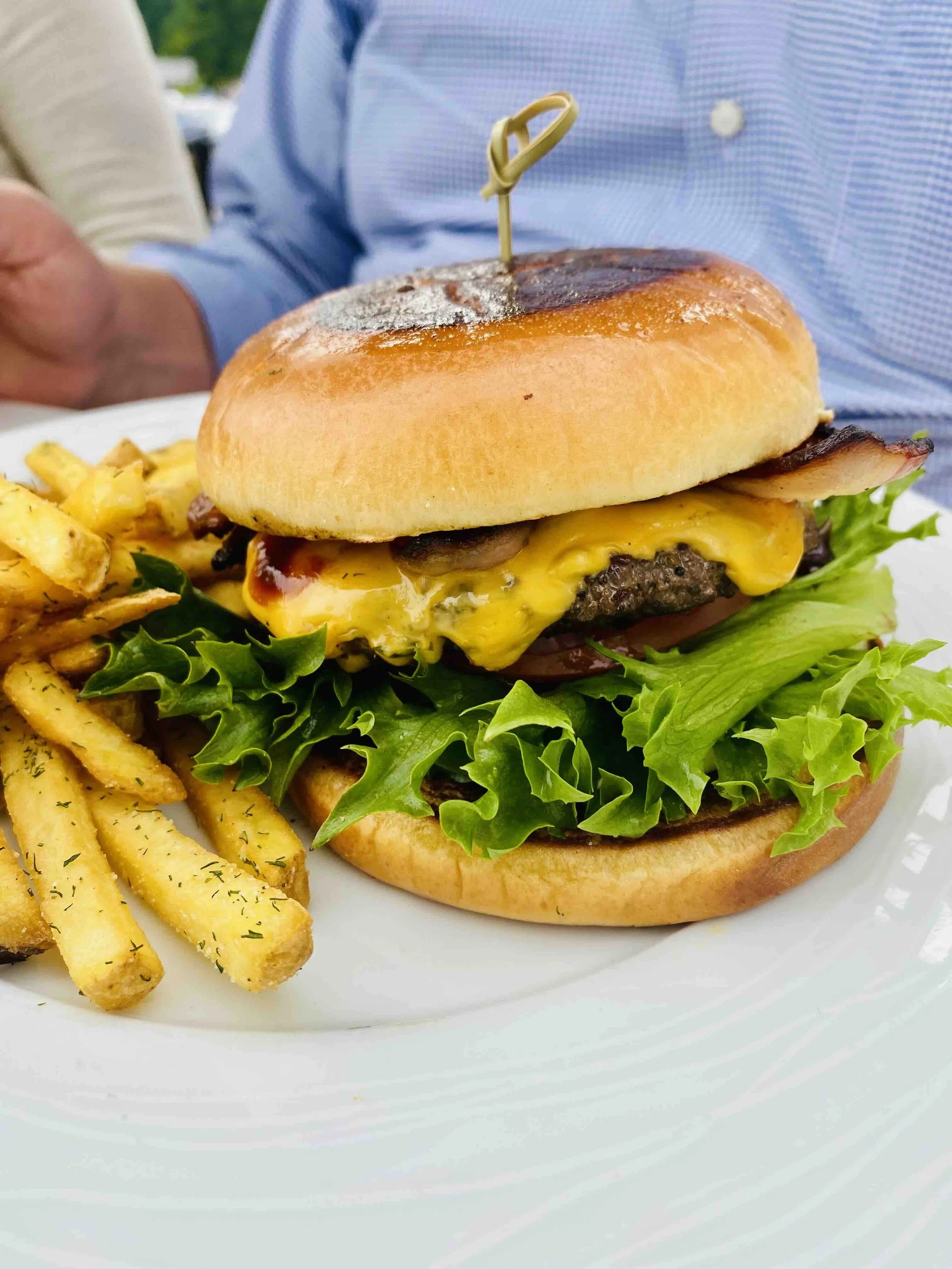
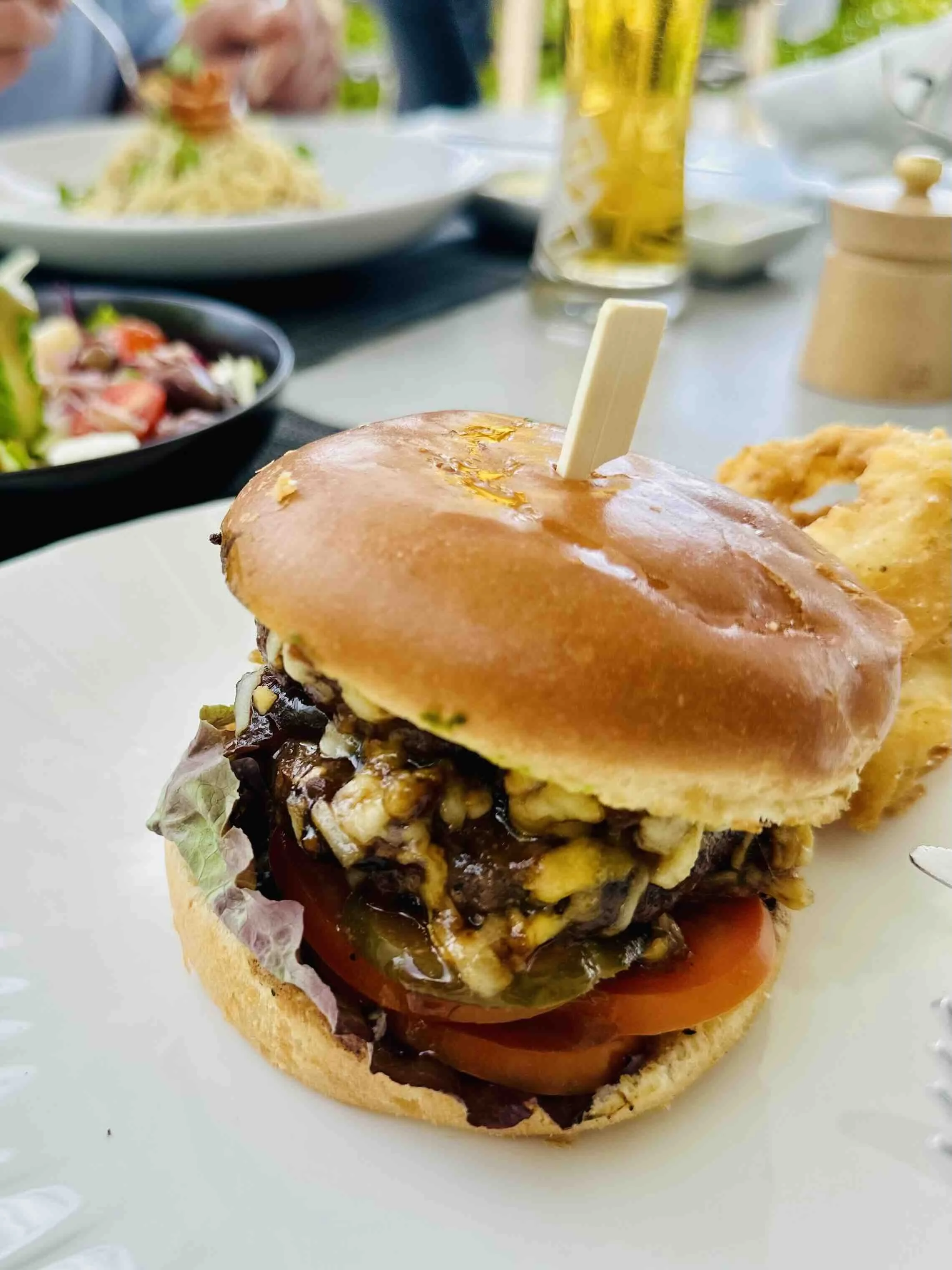
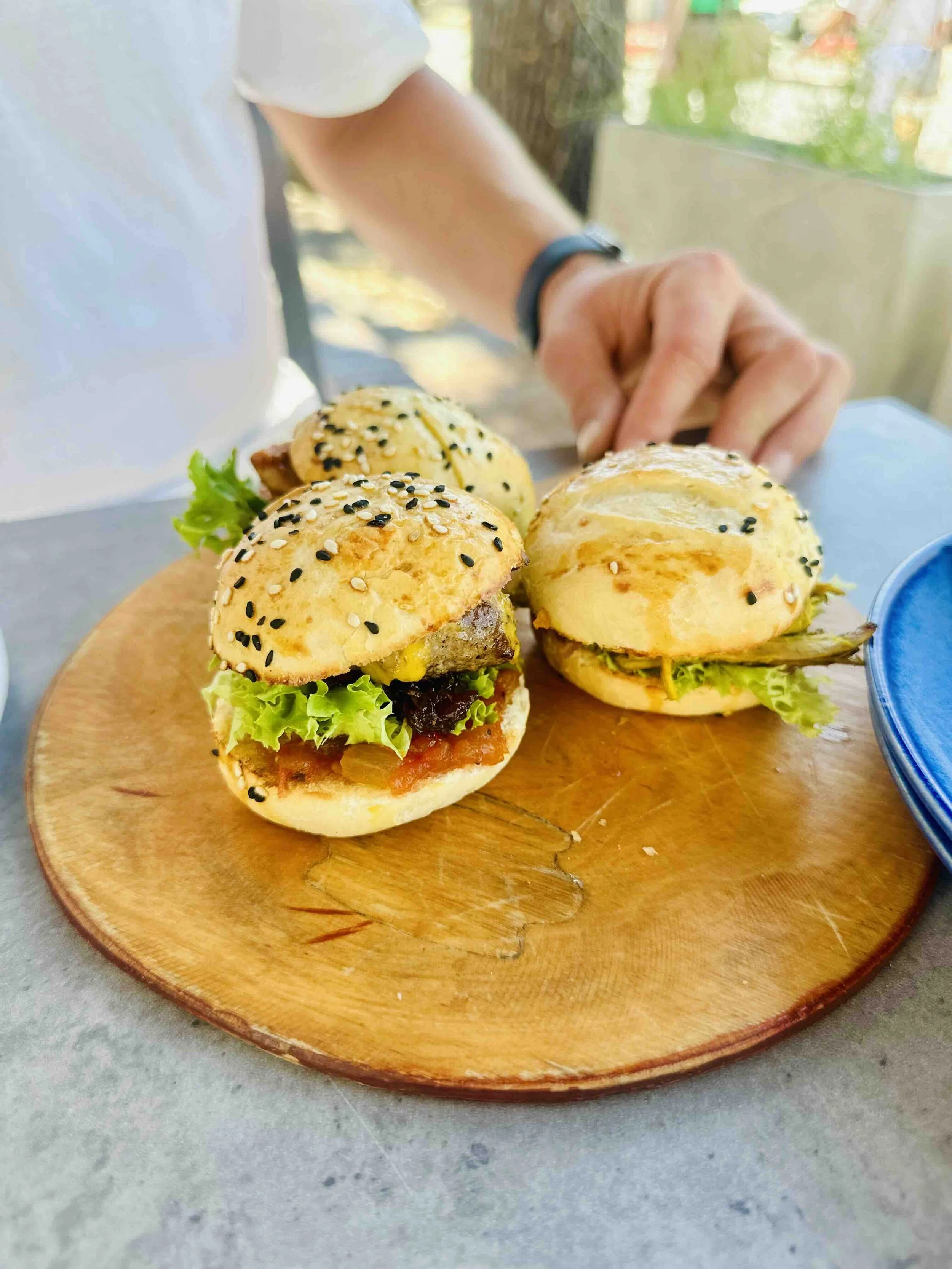
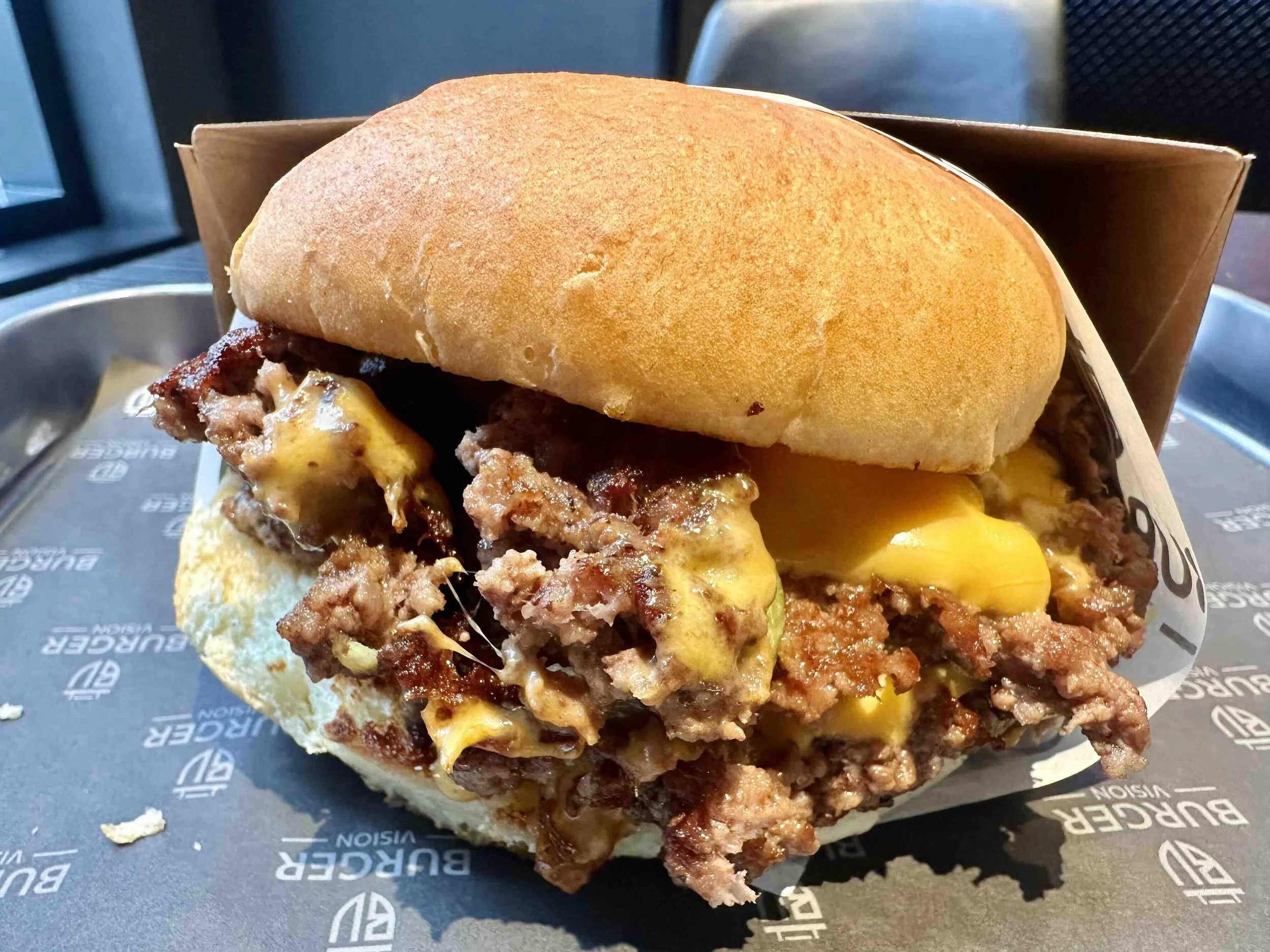
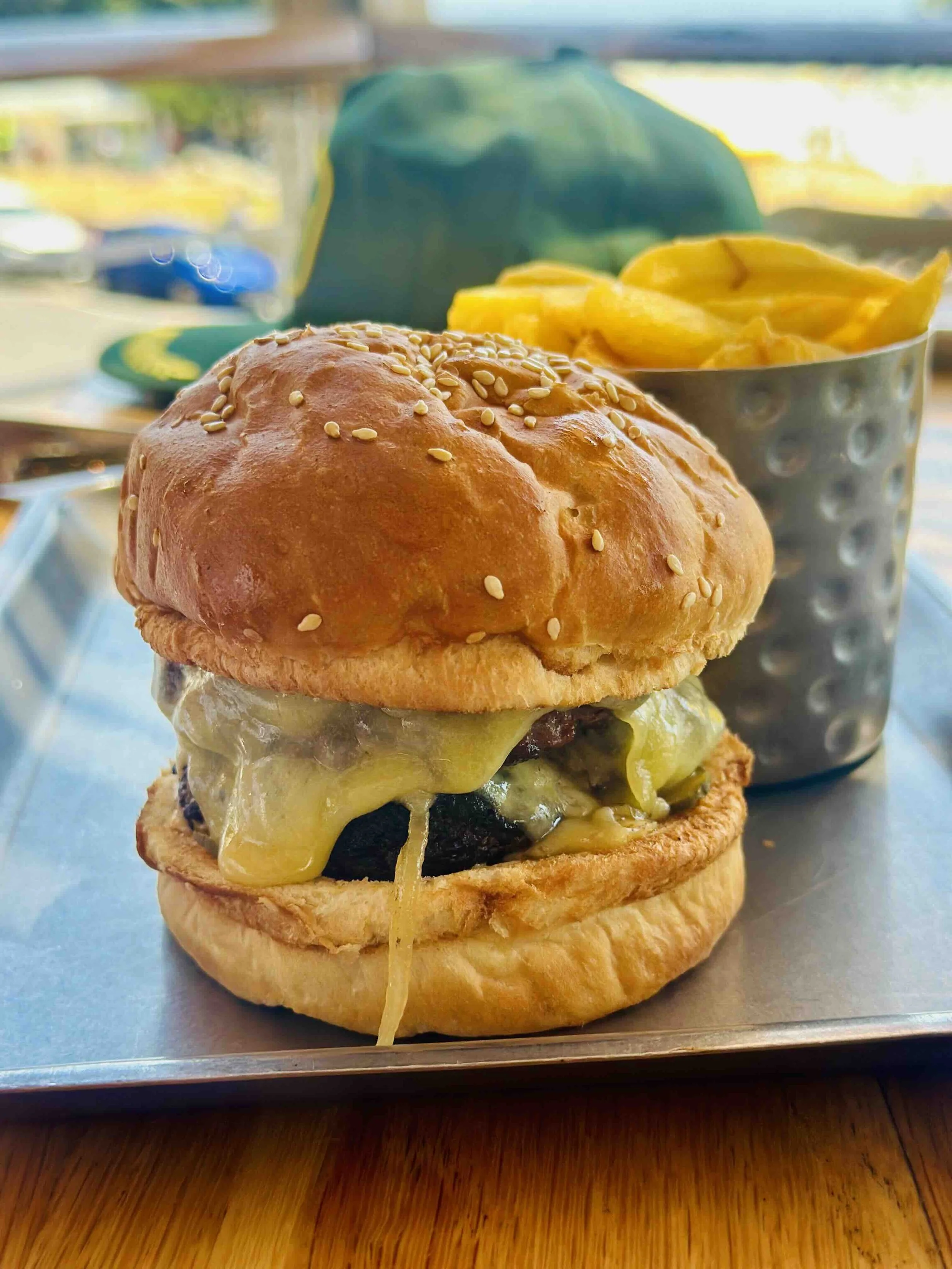
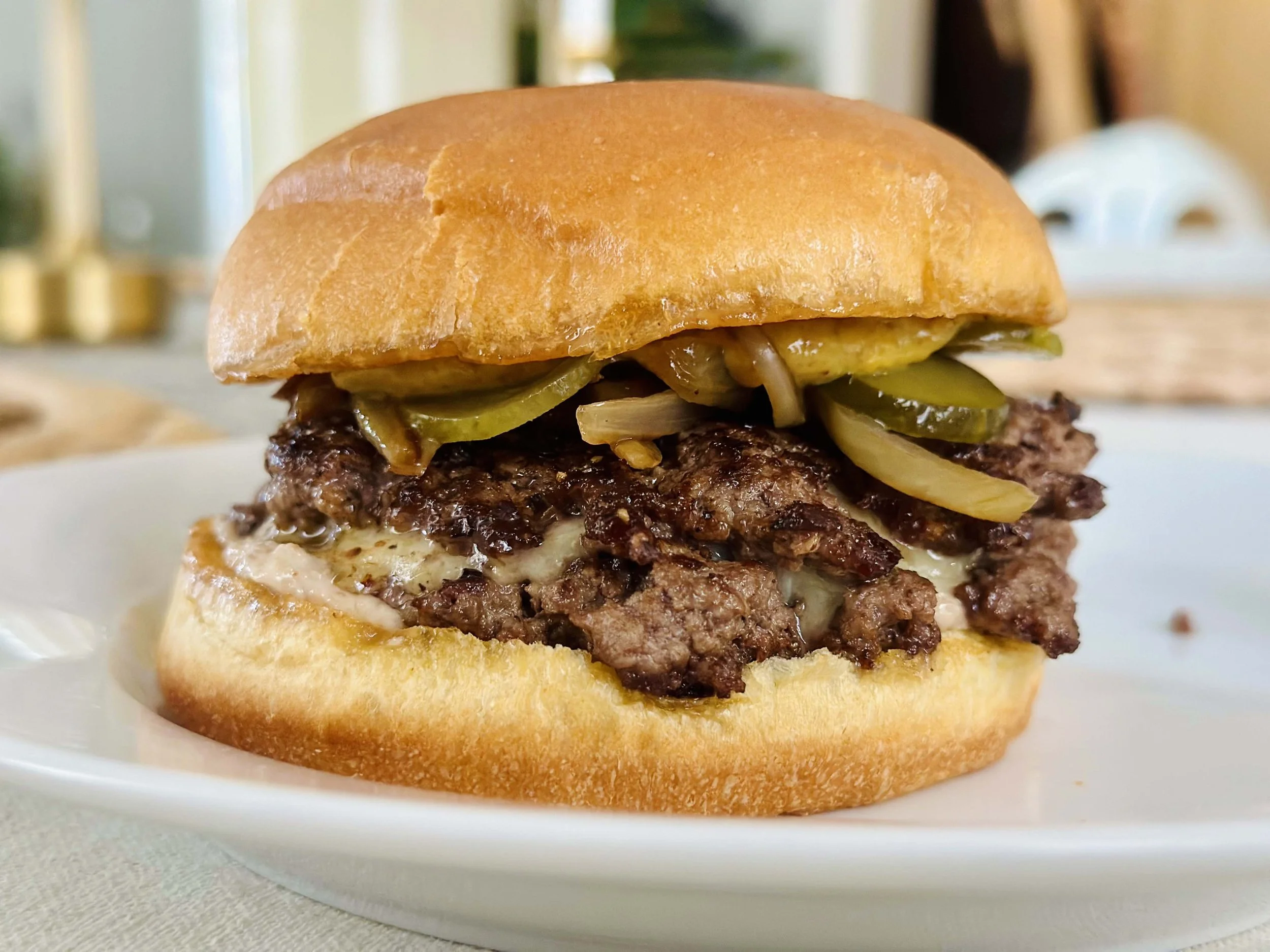
The core elements
The patty: Traditionally beef, the patty is the burger’s centerpiece. Choices now range widely: chuck blends for juiciness, leaner cuts for a firmer bite, and alternatives like turkey, chicken, lamb, bison, pork, and plant-based proteins for different textures and dietary needs.
The bun: Soft brioche, toasted potato rolls, sesame buns, and rustic artisanal loaves each change the mouthfeel and structural integrity of the burger. Toasting or buttering the bun adds flavor and helps prevent sogginess.
Toppings and condiments: Cheese, pickles, onion, lettuce, tomato, and sauces like ketchup, mustard, and mayo form the classic profile. More adventurous options — caramelized onions, kimchi, aiolis, bacon jam, or blue cheese — can shift a burger from familiar to distinctive.
Balance and assembly: Successful burgers balance fat, salt, acidity, texture, and temperature. A juicy patty needs a slightly firm bun and crisp vegetables to avoid becoming heavy; acid from pickles or a tangy sauce brightens rich flavors.
Regional and cultural variations Burgers have been adapted worldwide. In Japan, toppings like teriyaki glaze and wasabi mayo appear alongside delicate buns. In Australia, beetroot is a common addition. Latin American versions might feature chimichurri or spicy salsas. Fast-casual innovation brought smash burgers — thin patties seared for maximum crust — while upscale kitchens use dry-aged beef, house-made condiments, and brioche buns to elevate the form.
Beyond beef: dietary shifts Plant-based burgers have progressed from niche to mainstream. Newer formulations mimic meat’s texture and flavor closely, while whole-food alternatives (black bean, mushroom, lentil) offer substantial, less processed options. Gluten-free buns, lettuce wraps, and bunless plates accommodate allergies and low-carb diets without losing the essential burger experience.
Home and grill tips
Don’t overwork the meat; loose handling preserves tenderness.
Season simply and generously with salt just before cooking.
For a juicy burger, aim for a short, hot sear and avoid pressing the patty while it cooks.
Let the burger rest briefly before assembling to retain juices.
Build from bottom up: bun base, sauce, patty, cheese, vegetables, more sauce, and top bun to keep ingredients in place.
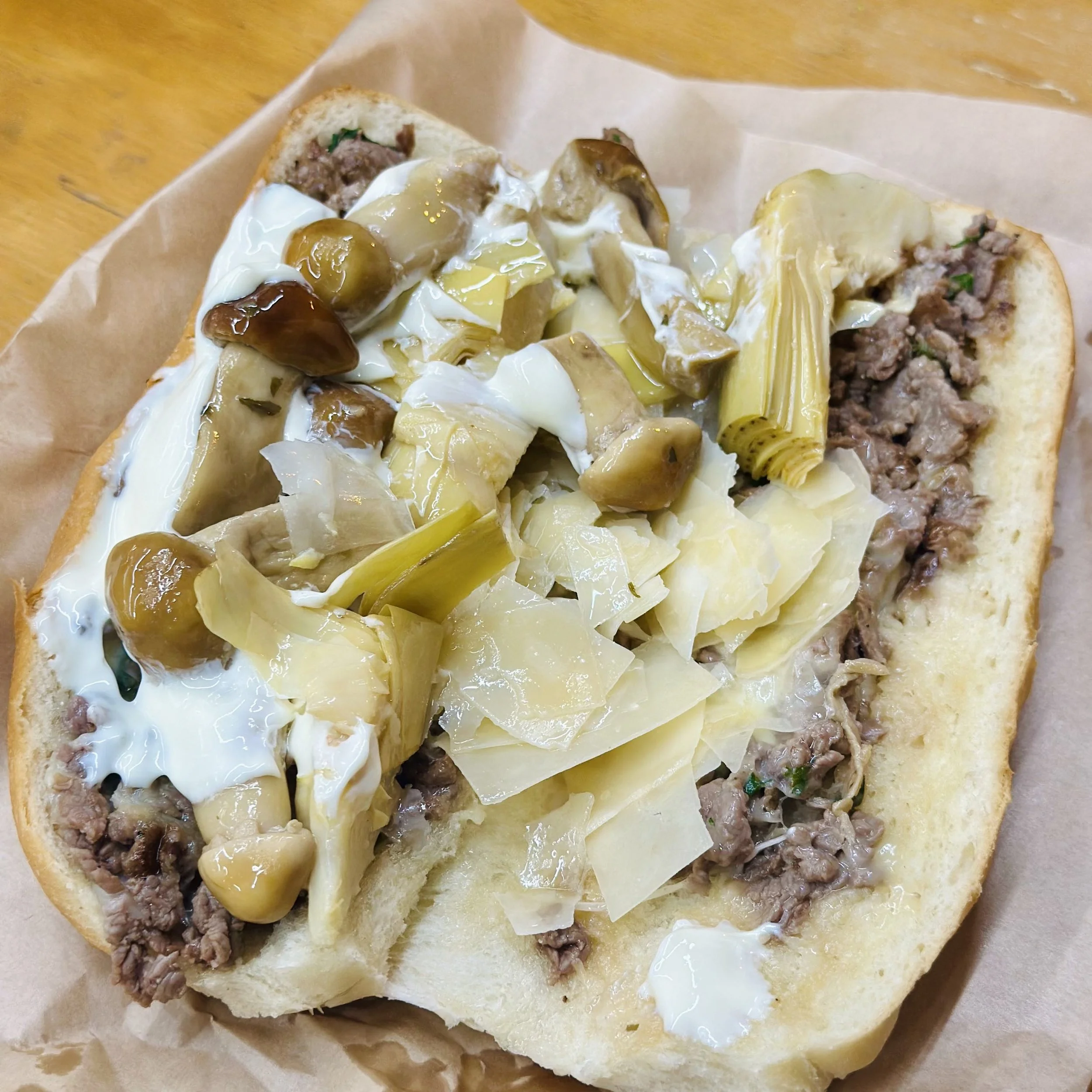
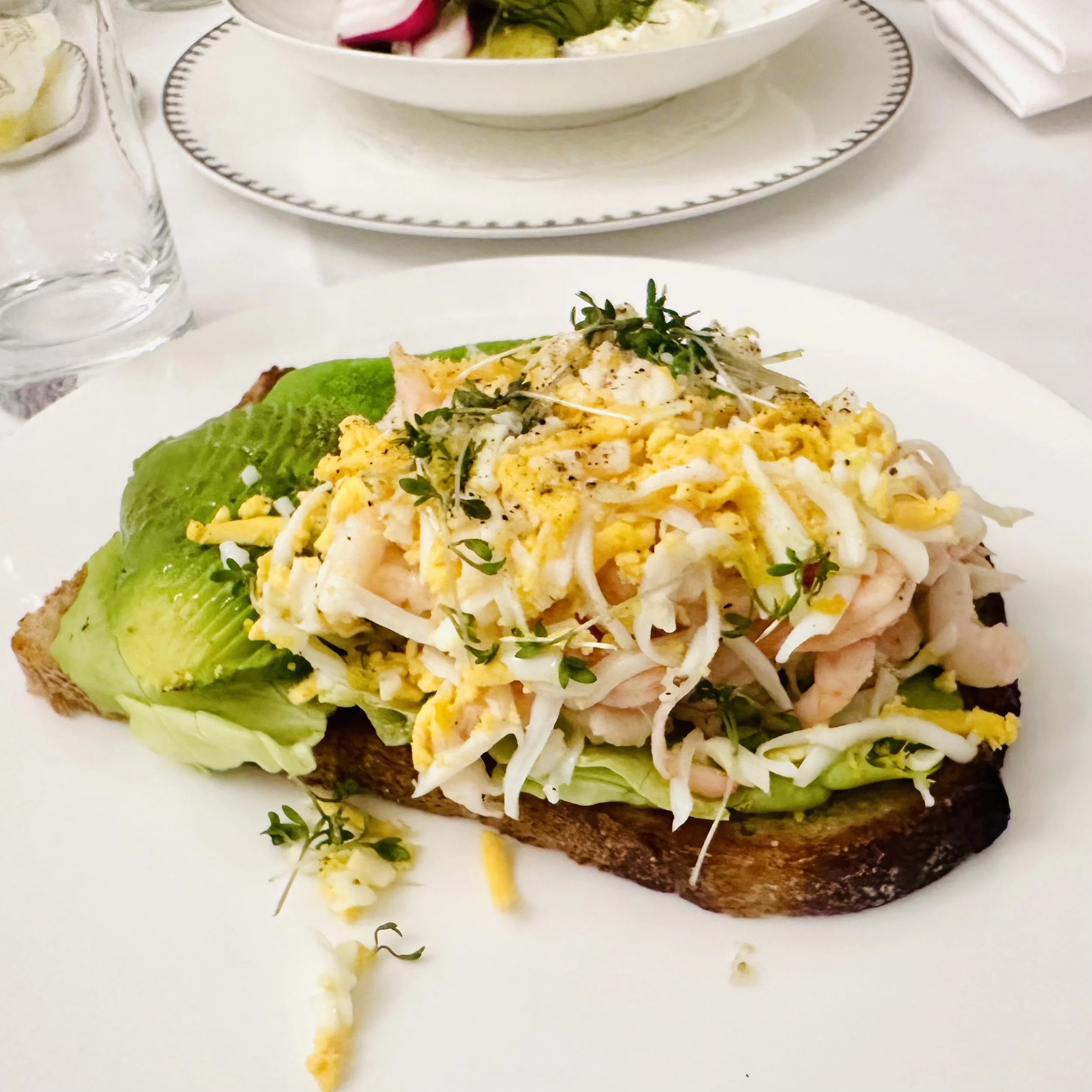
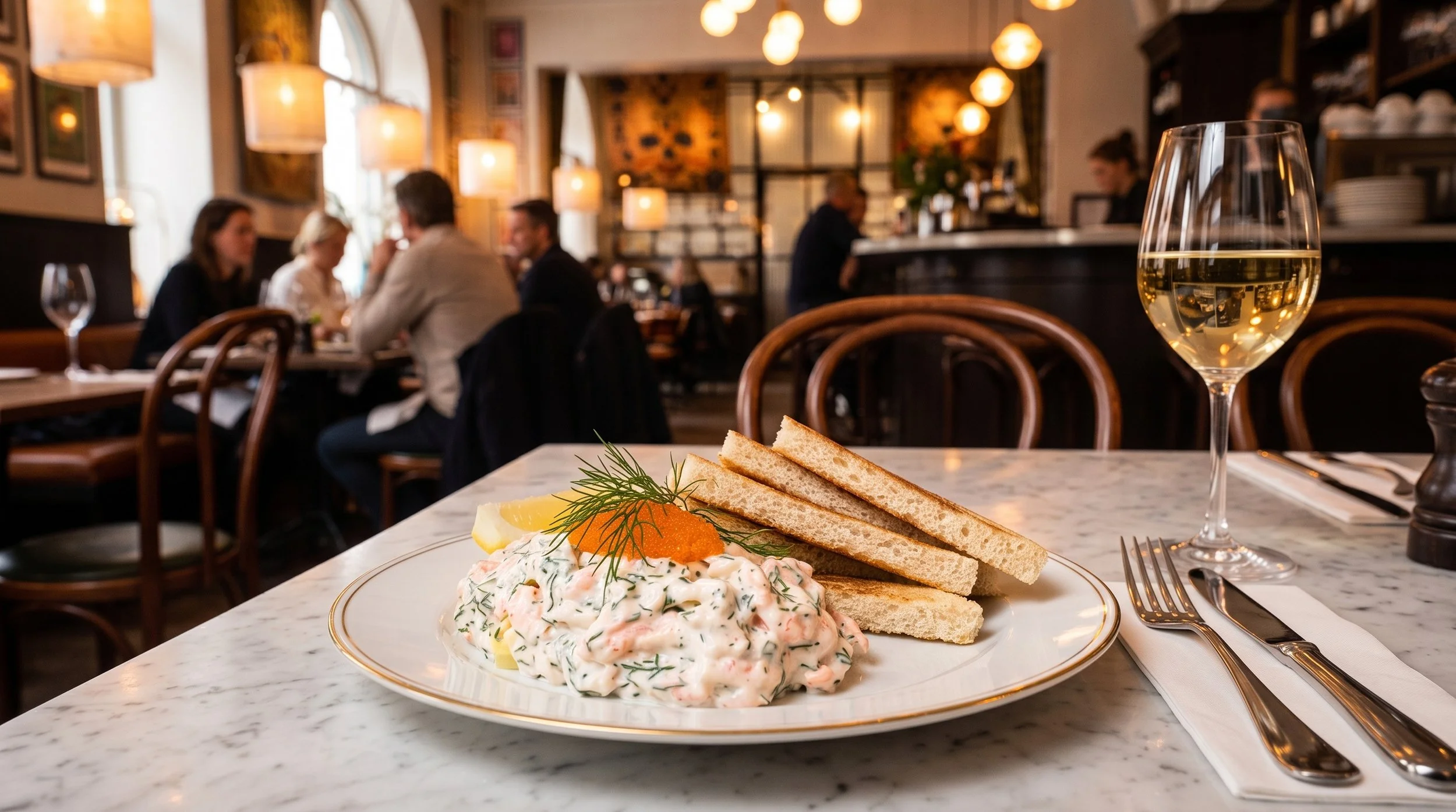
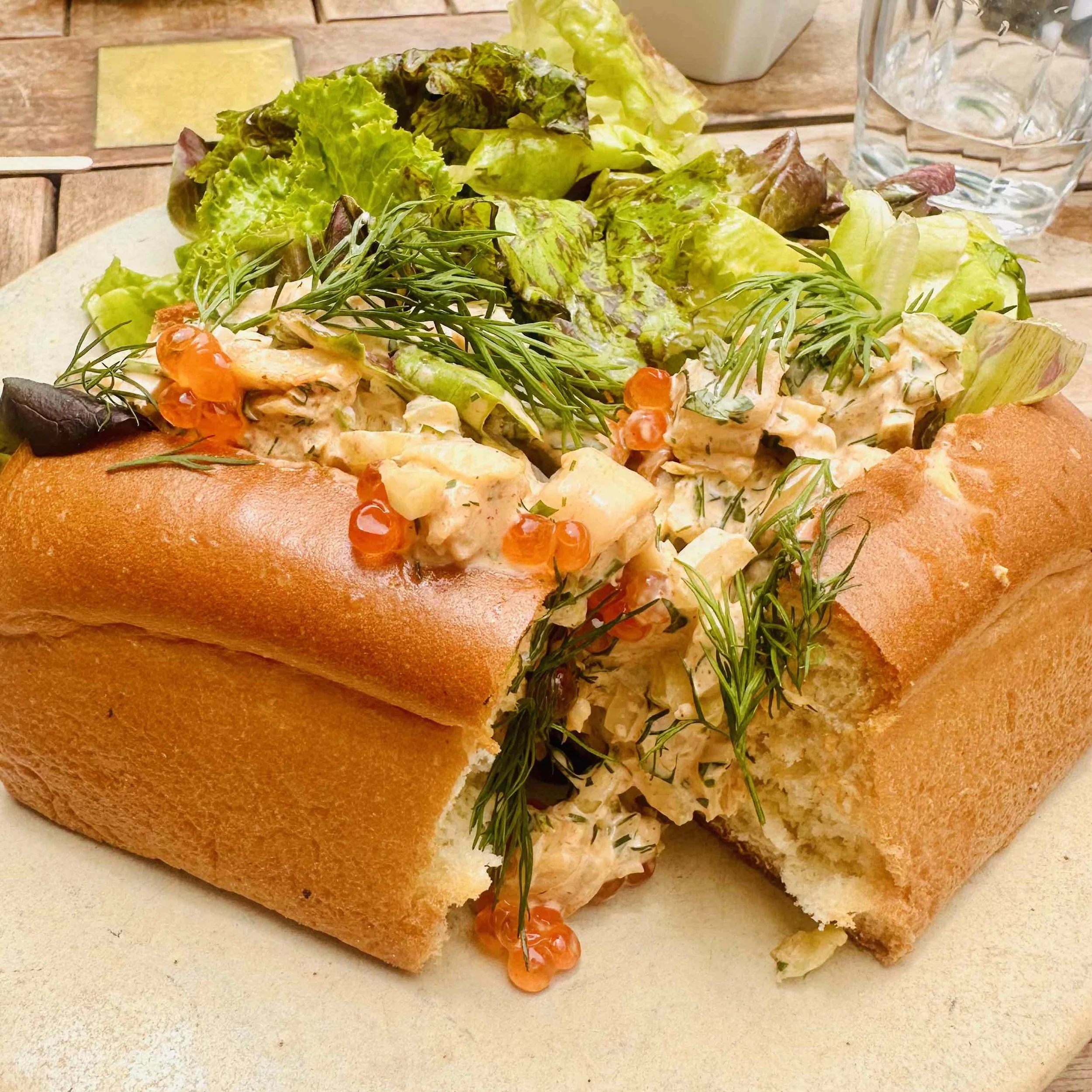

A comforting twist on Swedish Toast Skagen. Creamy hand-peeled shrimp salad and melted aged cheddar grilled to buttery perfection.